Android & iOS
Reach every customer on Google Play and the App Store.

Your Business, In Their Pocket
Hire mobile app developers in Denver who have shipped real apps. Kemafy designs, builds and publishes Android and iOS apps — with payments, push notifications, admin dashboards and app store publishing handled for you. Android apps start at $12,000 and iOS at $15,000, and apps we have built are live on Google Play today.
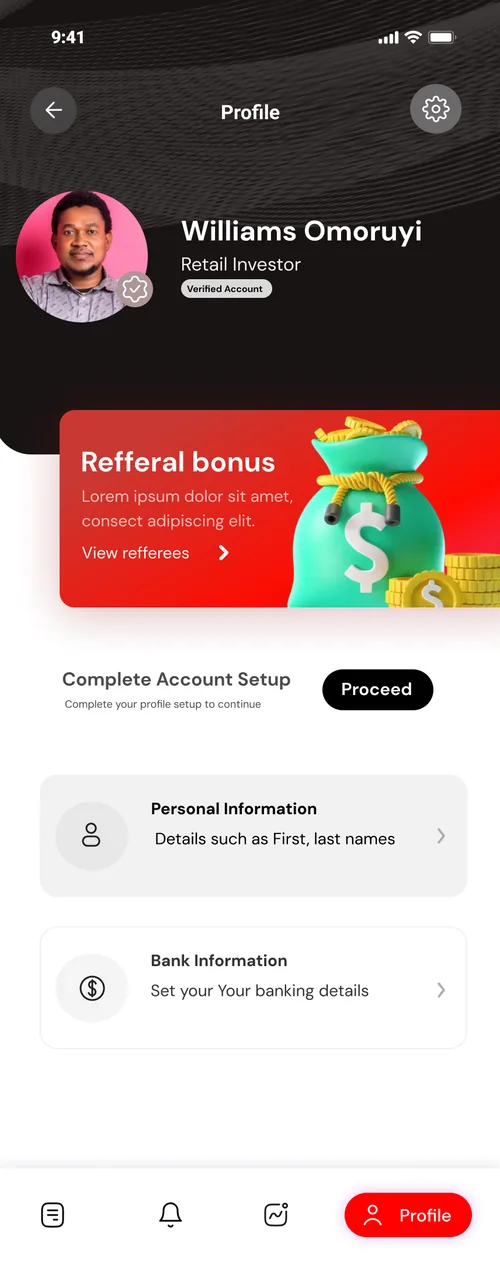
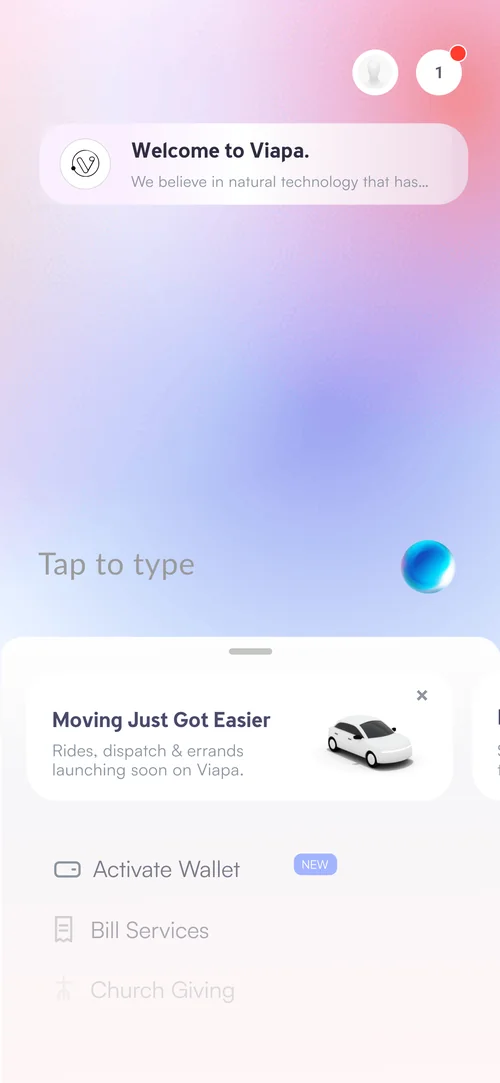
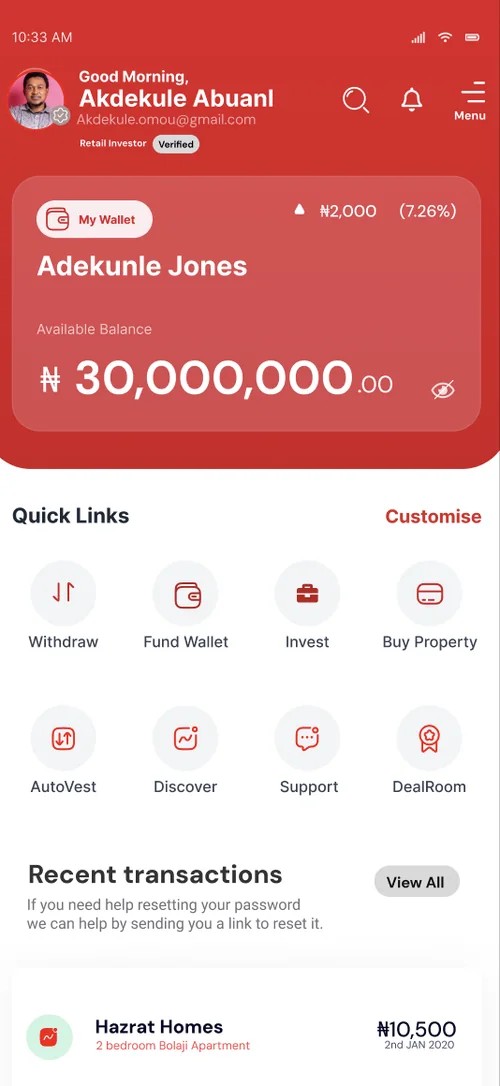
A custom mobile app from Kemafy starts at $12,000 for Android and $15,000 for iOS, with delivery typically taking six to twelve weeks depending on scope. Features are priced individually — user accounts from $1,500, push notifications from $1,000, payments from $2,000, chat from $2,500, an admin dashboard from $3,500 — so you can see exactly what drives the figure. App store submission, icon and splash design and post-launch maintenance are included.
Reach every customer on Google Play and the App Store.
Payments, chat, bookings, accounts, dashboards — built for you.
Fast, smooth apps that feel right on every device.
Reliable APIs and data handling built to OWASP standards.
Re-engage users directly on their home screen.
We handle launch, then maintain and update as you grow.
We map your idea, users and goals, choose the right platforms and technology, and define the features that matter — so we build what your business actually needs.
Intuitive, thumb-friendly screens and flows designed around your users, prototyped and approved before a line of code is written.
Fast, secure Android and iOS apps with the features you need — payments, chat, accounts, dashboards — connected to a solid backend and tested on real devices.
Google Play and App Store submission handled for you, with analytics from day one and ongoing maintenance as your app grows.
When you hire app developers from Kemafy, you are not relying on one freelancer to do everything. Design, development, testing and store publishing are handled by one team with a single point of contact, so nothing falls between people. The work is agreed as a fixed, itemized scope with milestones: you know the price and the timeline before development starts, and you see working builds along the way rather than a reveal at the end. You own everything we produce — the source code, the store listings under your own developer accounts, and the back end the app runs on. And you can judge our work before you commit: apps we have built are live on Google Play, so you can install them and see for yourself.
An Android app from Kemafy starts at $12,000 and iOS at $15,000, with most projects delivered in six to twelve weeks. What moves the price is features, not screens: user accounts from $1,500, push notifications from $1,000, in-app payments from $2,000, chat from $2,500, maps from $1,200, offline mode from $1,500 and an admin dashboard from $3,500. Building for both platforms costs less than two separate projects because we share one codebase where the product allows it. The honest question to settle first is whether you need an app at all — if your users visit occasionally and you mainly need reach, a fast mobile site or a progressive web app costs a fraction and skips the install barrier entirely.
In the US roughly half your users are on iPhone and half on Android, and both groups expect the app to feel native to their platform. That shapes real decisions: following Apple and Material design conventions rather than fighting them, meeting App Tracking Transparency and data-safety rules so the app clears review, and keeping the install size small enough that it survives the next storage cleanup. Accessibility is part of the spec — VoiceOver and TalkBack labels, dynamic type and sufficient contrast — because ADA complaints against apps are real and because it simply makes the product better. Payments get the same care — Apple Pay, Google Pay and cards through Stripe, with every failure state designed, because a silent error after a charge is the fastest way to lose a user for good. Where the app handles health data, we build to HIPAA expectations from the start.
We handle the parts that stall most first-time app owners: developer accounts, store listings, screenshots, privacy policy, data-safety declarations and the review process on Google Play and the App Store, including the rejections that are routine on a first submission. Both stores charge their own developer fees, which sit outside our price. After launch an app is never finished: operating systems update, devices change, and stores enforce new requirements each year. We offer maintenance so the app keeps working, and we hand over the source code and store accounts, so you are never locked to us.
You receive the app on both stores under your own developer accounts, the full source code, the admin dashboard to run it, and documentation for your team. If the app has a back end, that stays yours too. We also set up the basics that tell you whether the app is working: installs, active users, crash reporting and the two or three events that matter to your business, such as a completed order or a booking. Without that, deciding what to build next is guesswork, and version two is where most of an app's value is won.
Client perspectives
Since our new store launched, sales have increased by 50%. The checkout experience is seamless and our customers love it.
Android apps start at $12,000 and iOS apps at $15,000, with features like payments, chat, accounts and admin dashboards priced on top. Use our mobile app cost calculator for an instant itemized estimate.
Both. We choose the right approach for your project — native for maximum performance and device access, or cross-platform to serve Android and iOS efficiently from one codebase — and advise honestly based on your needs and budget.
Most custom apps take 6–12 weeks depending on features and complexity, including testing and app store review. Simpler apps ship faster; we give you a realistic timeline up front.
Yes — Google Play and App Store listings, assets and review submission are included, along with launch support. Apps we have built, including Dimensions 2.0 and PriceAM, are live on Google Play.
If people use your service repeatedly and benefit from notifications, offline access or device features like the camera, an app earns its cost. If you mainly need to be found and read, a fast mobile site or a progressive web app reaches more people for far less, because nobody has to install anything first.
Yes. Converting a website into an app is a separate, cheaper service than building one from scratch, and it suits businesses whose value is already delivered through their site. We will tell you honestly which of the two your case needs.
You do. The apps are published under your own Google Play and Apple developer accounts, and you receive the source code at handover. We can maintain it for you, but you are never locked in.
Ask to see apps they have actually published — not mockups — and install one. Confirm you will own the source code and that the app will be published under your own store accounts. Get a fixed, itemized quote with milestones, and ask who maintains the app after launch. Our apps are live on Google Play, the code and accounts are yours, and every quote we send is itemized.