
Built for lenders, payments and investing apps
Fintech Websites Built for US Compliance & Conversion
Product pages that explain the mechanics, a fee table with nothing hidden, disclosures where regulators expect them and onboarding that does not leak signups. Kemafy designs fintech websites and web apps for US companies from $4,500.
What makes a US visitor trust a fintech website enough to sign up?
Specifics. A visitor arriving at a lending, payments or investing product assumes it might be a scam until shown otherwise, so the site has to name the licenses and states, the partner bank, whether FDIC pass-through or SIPC coverage applies, the security controls in plain language, and every fee in a table. Kemafy builds fintech marketing sites from $4,500 and full web applications with dashboards and accounts from $15,000, and we design both for a skeptical reader who is actively looking for the catch.
- Marketing site
- From $4,500
- Web application
- From $15,000
- Must state
- Licenses, fees, coverage
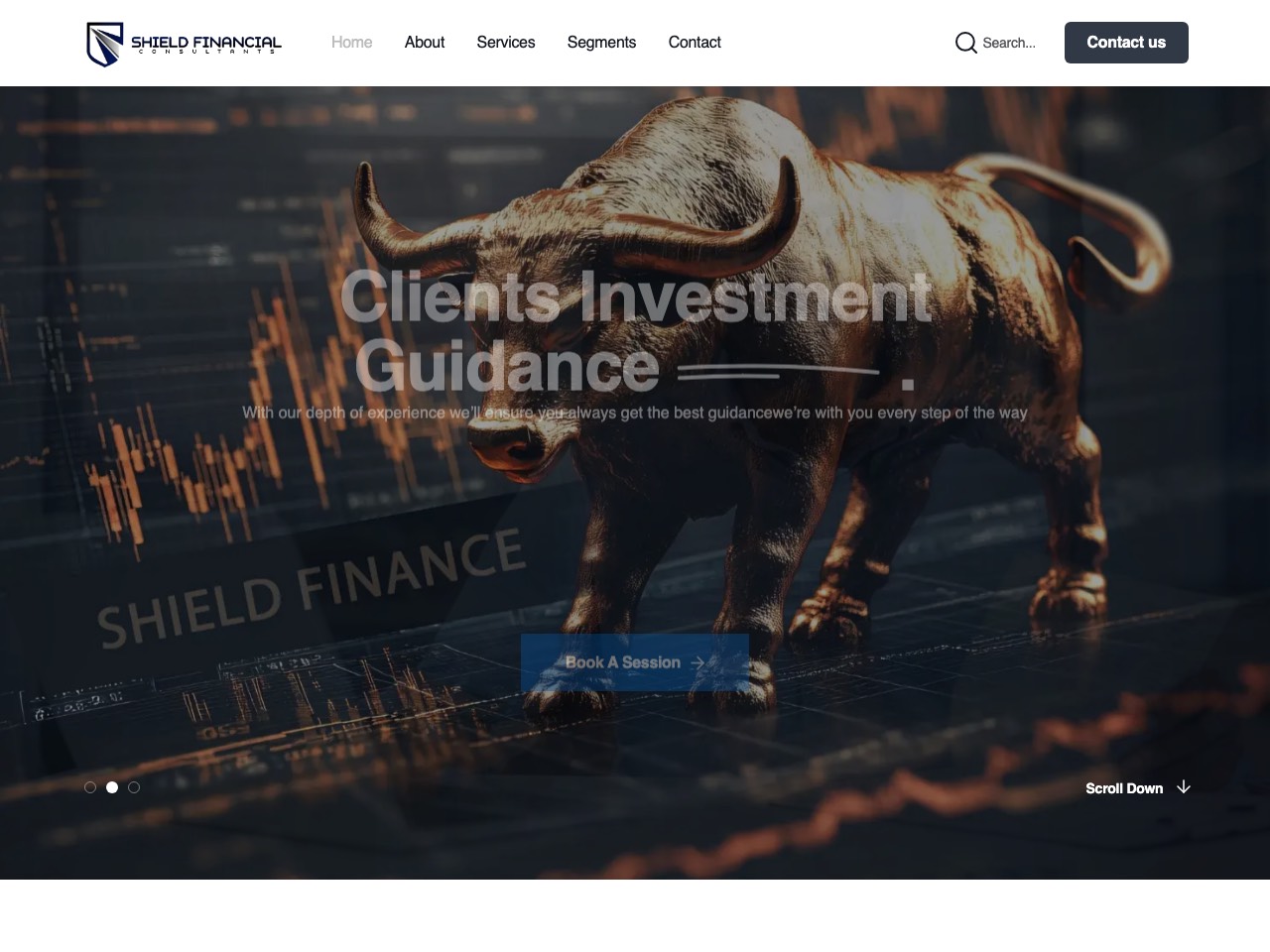
- Kemafy client
- Shield Finance
Why the sector sets the brief.
The person on your homepage has been warned.
They have read about apps that froze balances, lenders that buried an APR, and a wallet that vanished with deposits. So they are not reading your headline; they are hunting for the reason to close the tab. Kemafy designs fintech sites to remove those reasons one at a time. Product pages explain how the thing works — where the money sits, who the partner bank is, what happens if you fail. Licensing is stated by state with NMLS or MSB numbers. FDIC pass-through or SIPC coverage is explained accurately rather than implied. Fees, rates and APRs live in a table, not a footnote. Security is described as controls a human can understand — encryption, SOC 2, MFA — and the required disclosures sit where compliance can point to them. Then, and only then, the sign-up flow gets to be short.
The parts we build most often
Explain the Mechanics
How money moves, where it is held, who the partner bank is and what each product actually does for whom.
Licensing by State
NMLS, MSB and state license numbers, partner bank disclosures and regulatory status where a reader looks for them.
Coverage Stated Accurately
FDIC pass-through, SIPC or none, explained in the words regulators allow — no implied guarantees.
Fees in a Table
Rates, APRs, monthly fees and penalties in one comparison table instead of scattered footnotes.
Security People Can Read
Encryption, SOC 2, MFA and fraud monitoring described as controls, not slogans.
Onboarding Without Leaks
App Store and Google Play paths for mobile products, short web signup for browser products, and drop-off measured at every step.
Counted out, line by line
Nothing here is an upsell. Each line ships with the build, alongside hosting setup, SSL, analytics and a walkthrough for whoever will run the site.
- Home & product pages
- Fee and rate tables
- Licensing, coverage & disclosure pages
- Security and trust center
- Web signup and store download paths
- Help center and FAQ
- Accessible on any screen
In their words
What clients say once the site is live.
Sales are up 50% since the new store went live. Checkout is three taps, and our regulars keep telling us how easy it is.
What fintech & financial services owners ask us.
Marketing site versus web app: what do they cost?
A marketing site with product, pricing, trust and signup pages starts at $4,500. A working web application with user accounts, dashboards and payment or banking integrations starts at $15,000 and is scoped per feature.
What disclosures does a US fintech site need?
It depends on the product: lenders need APR and state licensing disclosures, money transmitters need MSB registration and state licenses, deposit products need accurate FDIC pass-through language, and investing products need SIPC and risk statements. Your counsel decides the wording; we design the site so it appears where it must.
Can Kemafy build the product itself?
Yes. We build web applications and mobile apps with secure backends, Stripe or Plaid integrations, admin dashboards and audit logging, not only the marketing site in front of them.
Mobile app or web app first?
Whichever your users will open daily. Consumer products usually need the app stores; B2B and lending products often convert better on a web app. The site can drive both, and we measure which path signs up more.
Bring us your fintech & financial services brief.
Tell us the goal, the deadline and roughly what you have to spend. A written scope and a fixed price come back within one business day, no meeting required.